by Megan Pullins | Jul 16, 2018 | Emergency Medicine, Nursing, Pharmacy, Primary Care
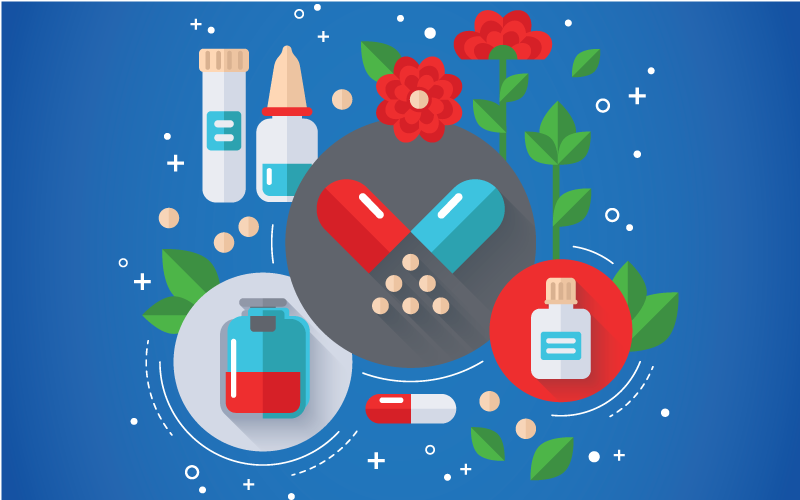
Evidence that Adverse Drug Interactions Occur from Herbal-Drug Interactions and Non-Prescription Drug Interactions. “Natural” is widely perceived by the public to ensure safety. However, studies show drug interactions with active pharmaceutical agents, and...
by Megan Pullins | Apr 16, 2018 | Emergency Medicine
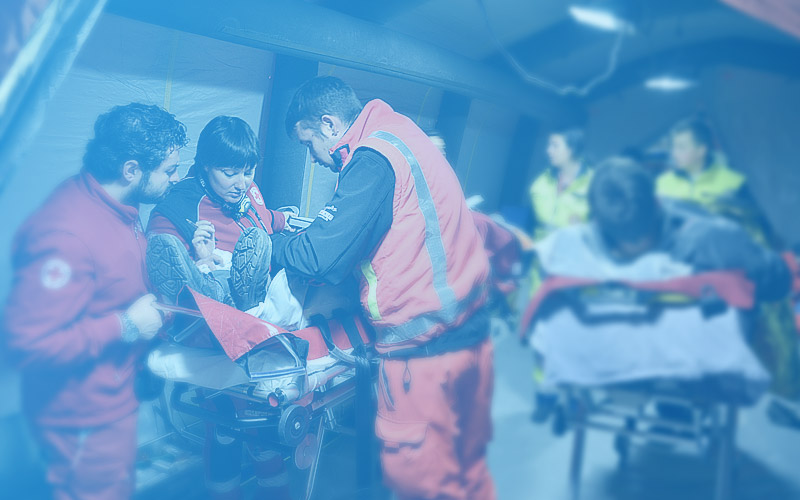
In 2017, the US had 16 natural disasters. Drought, wildfires, flooding, freezing, severe weather, tornadoes, and three hurricanes. Hurricane Harvey affected 13 million people from Texas to Kentucky. 300 volunteer organizations stepped up to help. Hurricane...

by Charles Choate | Sep 10, 2026 | Featured Posts
At least one in five adults who develop sepsis does not survive the admission. September is Sepsis Awareness Month, and World Sepsis Day falls on September 13. The observance exists because the numbers have not moved as much as the science has. CDC estimates that...

by Charles Choate | Aug 10, 2026 | Uncategorized
Drug overdose has become one of the leading causes of injury death in the United States, and much of the acute response to that crisis passes through the ED. Each year on August 31, International Overdose Awareness Day is observed to recognize the individuals lost to...

by Charles Choate | Jun 15, 2026 | Uncategorized
For emergency physicians, the month is also a useful prompt to reexamine how dementia presents in the emergency department Alzheimer’s & Brain Awareness Month, observed each June, is a moment to recognize the more than 6.7 million Americans living with Alzheimer’s...

by Charles Choate | May 4, 2026 | Uncategorized
Each July, emergency departments across the country see a predictable rise in patients presenting with heat-related illness. Construction workers, outdoor athletes, older adults living without adequate cooling, and children exposed in or near vehicles can all arrive...

by Charles Choate | May 4, 2026 | Uncategorized
EMS Week is also a timely opportunity to reflect on how well the prehospital and hospital phases of care are working together. National EMS Week, observed each year in mid-May, recognizes the emergency medical services professionals who deliver the first layer of...

by Charles Choate | Mar 9, 2026 | Uncategorized
By reframing sleep as a vital sign of preventive care, clinicians can identify modifiable risks early and improve long-term outcomes. Sleep Awareness Week serves as a national reminder that healthy sleep is not a luxury, but a foundational component of overall...

by Charles Choate | Mar 9, 2026 | Uncategorized
Autism Acceptance Month serves as an opportunity to move beyond awareness and focus on meaningful inclusion. Autism Acceptance Month serves as an opportunity to move beyond awareness and focus on meaningful inclusion, understanding, and improved care for individuals...

by Charles Choate | Feb 9, 2026 | Uncategorized
Cold weather places added strain on the cardiovascular system, while winter routines tend to disrupt physical activity, diet, and medication adherence. February is nationally recognized as American Heart Month, a time dedicated to raising awareness around...
by Charles Choate | Jan 12, 2026 | Uncategorized
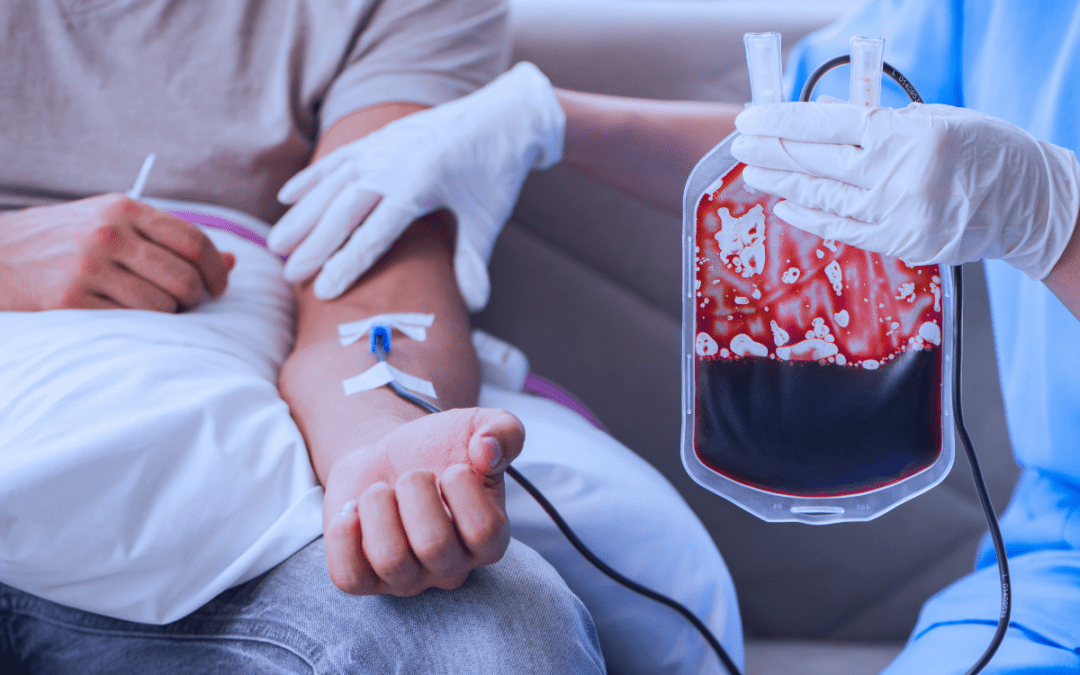
January marks National Blood Donor Month, a time dedicated to recognizing the generosity of donors and raising awareness about the critical need for a consistent blood supply While the season is often filled with renewed motivation and good intentions, it also...

by Charles Choate | Dec 10, 2025 | Uncategorized
The holiday season is a time of celebration, gathering, and gratitude, but it also brings a notable rise in preventable injuries and illnesses. Between decorating, cooking, traveling, and social events, emergency departments often experience an uptick in visits...