

Autism Acceptance Month serves as an opportunity to move beyond awareness and focus on meaningful inclusion.Autism Acceptance Month serves as an opportunity to move beyond awareness and focus on meaningful inclusion, understanding, and improved care for individuals on the autism spectrum. As the prevalence of autism spectrum disorder (ASD) continues to rise, clinicians across all specialties and care settings are increasingly likely to encounter autistic patients in both routine and acute scenarios. Despite this, many healthcare environments are not designed with neurodiverse patients in mind. Busy waiting rooms, bright lights, unpredictable interactions, and fast-paced communication can create barriers that affect both patient experience and clinical outcomes. These challenges are not always immediately visible, but they can significantly impact a patient’s ability to engage, communicate symptoms, and receive appropriate care. This article provides practical, clinically relevant strategies to help providers better support autistic patients. By focusing on effective communication, sensory-aware care, and improved diagnostic approaches, clinicians can deliver more accurate, respectful, and patient-centered care across all healthcare settings.

Understanding Autism in the Clinical Context
Autism spectrum disorder (ASD) is a neurodevelopmental condition characterized by a wide range of presentations, making each patient’s experience unique. The term “spectrum” reflects this variability. Some individuals may have significant communication challenges and require ongoing support, while others may live independently and present with more subtle differences in behavior or interaction. For clinicians, this variability underscores the importance of avoiding one-size-fits-all assumptions.
Several core characteristics are commonly associated with autism, though they may appear differently from patient to patient. Differences in communication can include delayed speech, limited verbal expression, or a preference for direct and literal language. Social interaction may vary, with some patients demonstrating reduced eye contact, difficulty interpreting social cues, or alternative ways of expressing engagement. Sensory sensitivities are also common, with heightened responses to light, sound, touch, or other environmental stimuli. In addition, many individuals prefer routine and predictability, which can influence how they respond to unfamiliar clinical environments or unexpected changes in care.
From a clinical perspective, it is important to approach autism through a neurodiversity-informed lens rather than focusing solely on deficits. This means recognizing that differences in communication or behavior are not inherently impairments, but variations in how individuals process and interact with the world. Clinicians should avoid making assumptions about a patient’s level of understanding or cognitive ability based on outward behavior. Many autistic patients fully comprehend medical information but may express themselves differently or require additional time to process and respond.
By grounding care in this understanding, providers can better tailor their approach, reduce miscommunication, and create a more effective and respectful clinical interaction.
Communication Strategies for Better Patient Interaction
Effective communication is central to delivering high-quality care, yet it is also one of the most common challenges when working with autistic patients. Differences in how language is processed and expressed can lead to misunderstandings if clinicians rely on typical conversational patterns. Many autistic individuals interpret language literally, which means idioms, vague instructions, or abstract phrasing can create confusion. In addition, some patients may require extra time to process questions and formulate responses, while nonverbal cues such as eye contact or facial expressions may not align with conventional expectations.
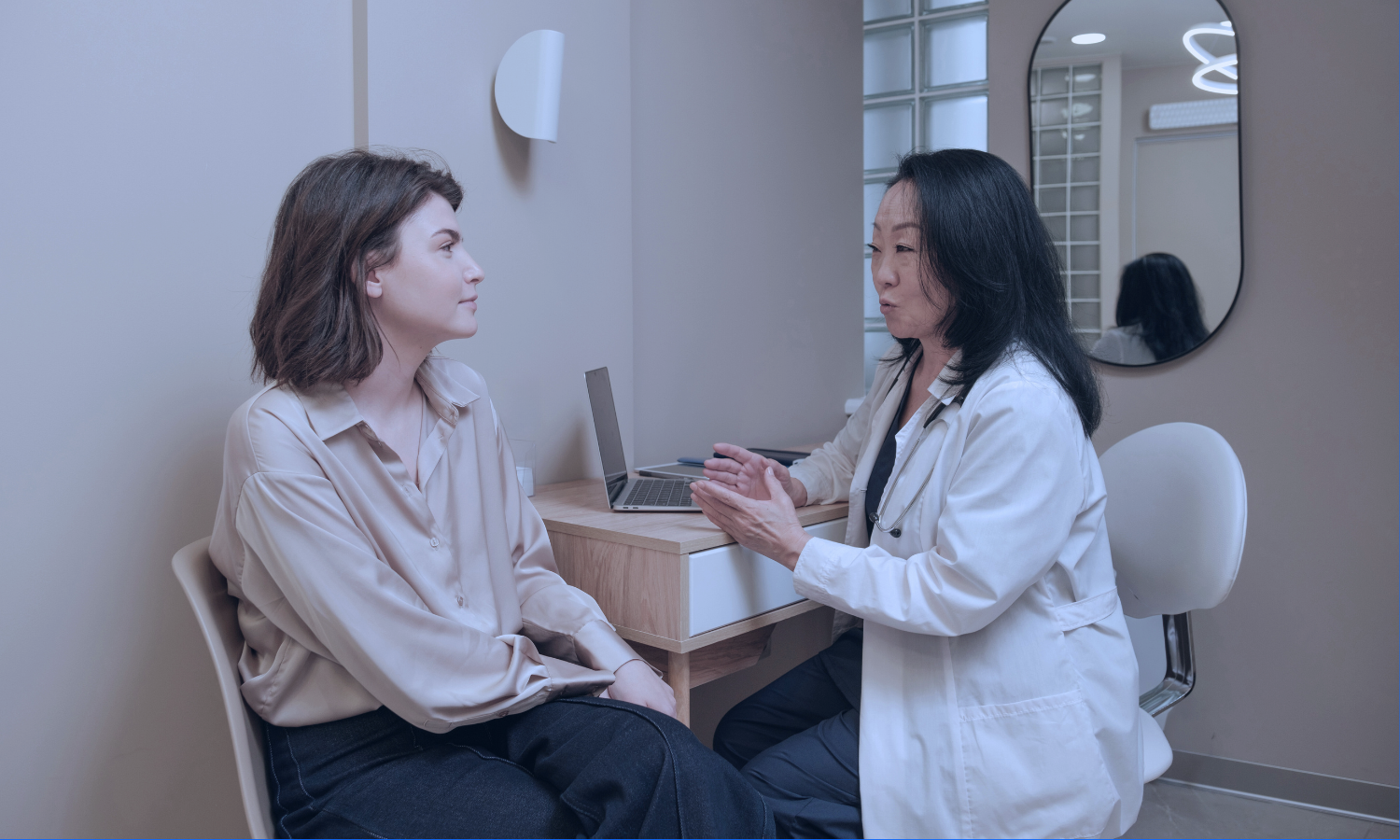
Adapting communication style can significantly improve both patient experience and clinical accuracy. Using clear, direct, and concrete language helps ensure that instructions and questions are easily understood. For example, instead of saying “This will just take a second,” it is more effective to explain exactly what will happen and how long it will take. Allowing pauses after asking a question gives patients the time they need to process information without feeling rushed. When possible, offering written instructions or visual supports can reinforce understanding, particularly for more complex care plans.
It is also important to speak directly to the patient, even when a caregiver is present. This reinforces respect, supports patient autonomy, and provides an opportunity to better assess comprehension. Clinicians should make a point to confirm understanding rather than assuming it, using simple follow-up questions or asking patients to repeat key information in their own words.
Finally, maintaining a calm, consistent, and predictable tone throughout the interaction can reduce anxiety and support clearer communication. When appropriate, asking patients about their preferred communication style can further individualize care. These small adjustments can make a meaningful difference, helping to build trust, reduce confusion, and improve overall clinical outcomes.
Sensory Considerations in Healthcare Settings
For many autistic patients, the clinical environment itself can be a significant barrier to care. Bright overhead lighting, crowded waiting rooms, loud or unpredictable noises, strong disinfectant smells, and unexpected physical contact can all contribute to sensory overload. While these elements are often routine in healthcare settings, they can be overwhelming for patients with heightened sensory sensitivities.
When sensory input becomes too intense, patients may respond in ways that are easily misunderstood. Increased anxiety, withdrawal, difficulty communicating, or behavioral escalation can occur, particularly in unfamiliar or high-stress situations. In some cases, patients may shut down entirely, making assessment and communication more challenging.
Small environmental and procedural adjustments can make a meaningful difference. Reducing unnecessary stimuli, such as dimming lights when possible or limiting background noise, can help create a more manageable setting. Minimizing wait times or offering quieter alternative spaces can reduce anticipatory stress. Before initiating any physical exam or procedure, clinicians should clearly explain what will happen and when, allowing the patient time to prepare. When available, simple accommodations such as allowing headphones, sunglasses, or comfort items can further support sensory regulation.
It is important for clinicians to recognize that sensory overload may be misinterpreted as noncompliance, agitation, or behavioral difficulty. In reality, these responses are often adaptive reactions to an overwhelming environment. By approaching these situations with awareness and flexibility, providers can reduce distress, improve cooperation, and deliver more effective care.
Diagnostic Considerations and Avoiding Misinterpretation
Accurate diagnosis can be more complex in autistic patients, particularly when communication differences or behavioral presentations obscure underlying symptoms. One of the most significant risks in clinical care is diagnostic overshadowing, where new or acute symptoms are incorrectly attributed to autism rather than being evaluated as a separate medical concern. This can lead to delayed diagnoses, missed conditions, and poorer health outcomes.
Communication differences can further complicate assessment. Some patients may have difficulty describing pain, discomfort, or internal symptoms in conventional ways. Others may express distress through changes in behavior rather than verbal complaints. For example, increased agitation, withdrawal, or changes in routine behavior may be early indicators of an underlying medical issue rather than purely behavioral concerns.
Clinicians can improve diagnostic accuracy by taking a more deliberate and flexible approach. Engaging both the patient and caregiver is essential, as caregivers can often provide valuable context about baseline behavior and recent changes. At the same time, it remains important to involve the patient directly whenever possible to support autonomy and gather firsthand information.
Observing behavioral changes can provide critical clinical clues, especially in patients who may not communicate symptoms verbally. Providers should also avoid assumptions about pain tolerance or symptom severity, as outward expression may not reflect the true level of discomfort. Taking additional time when needed for history-taking and assessment can help ensure that subtle but important signs are not overlooked.
By maintaining a high index of suspicion and approaching each presentation with clinical rigor, providers can reduce the risk of misinterpretation and deliver more accurate, effective care.

The Role of Clinicians in Advancing Inclusive Care
Autistic individuals continue to face significant disparities within the healthcare system, many of which stem from gaps in awareness, communication, and accessibility. Delayed or missed diagnoses are common, particularly when symptoms are misinterpreted or overshadowed by an autism diagnosis. Preventive care is also often underutilized, as barriers such as sensory discomfort, communication challenges, and negative prior experiences can discourage routine healthcare engagement. As a result, many patients experience higher rates of unmet healthcare needs compared to the general population.
Clinicians play a critical role in addressing and reducing these disparities. Awareness is the first step. Recognizing that standard clinical environments and workflows may not meet the needs of all patients allows providers to approach care with greater flexibility and intention. Even small adjustments in communication style, pacing, and environment can significantly improve access and outcomes.
Incorporating consistent, practical adaptations into daily practice can make care more inclusive without requiring major system changes. This may include allowing extra time for appointments when possible, offering clear and predictable explanations of care, and being mindful of sensory triggers within the clinical space. Advocating for sensory-friendly options, such as quieter waiting areas or reduced lighting when feasible, can further enhance the patient experience.
Beyond individual interactions, there is also an opportunity to promote broader change within healthcare teams. Encouraging education and training on neurodiversity helps ensure that all staff members, from front desk personnel to clinical providers, are better equipped to support autistic patients.
By approaching care with awareness, flexibility, and a commitment to inclusion, clinicians can help close existing gaps and create a more accessible healthcare experience for all patients.
Moving Toward More Inclusive Clinical Practice
Providing effective care for autistic patients requires more than clinical knowledge alone. It calls for thoughtful communication, environmental awareness, and a willingness to adapt standard approaches to meet individual needs. Across care settings, small but intentional changes in how clinicians interact, assess, and support patients can significantly improve both the patient experience and clinical outcomes.
The strategies outlined in this article are practical and achievable. Clear communication, sensory-aware adjustments, and careful attention to diagnostic accuracy do not require major system overhauls, yet they can reduce barriers that often prevent patients from receiving appropriate care. When clinicians approach each interaction with flexibility and awareness, they create an environment where patients are better able to engage, communicate, and trust the care they receive.
Ultimately, integrating these approaches into everyday practice supports more accurate diagnoses, more effective treatment, and a more equitable healthcare experience. By prioritizing inclusion and patient-centered care, clinicians can help ensure that all patients, regardless of neurodiversity, receive the quality care they deserve.
References
Autism Society. (n.d.). Autism Acceptance Month. Retrieved September 23, 2026, from https://autismsociety.org/autism-acceptance-month/
Hallyburton, A. (2022). Diagnostic overshadowing: An evolutionary concept analysis on the misattribution of physical symptoms to pre-existing psychological illnesses. International Journal of Mental Health Nursing, 31(6), 1360–1372. https://doi.org/10.1111/inm.13034
Johnson, M., Doherty, M., & Shaw, S. C. (2022). Overcoming barriers to autistic health care: Towards autism-friendly practices. British Journal of General Practice, 72(719), 255–256. https://doi.org/10.3399/bjgp22X719513
Links ABA. (n.d.). Accessing healthcare as an autistic individual. Retrieved September 23, 2026, from https://linksaba.com/accessing-healthcare-as-an-autistic-individual/
National Institute of Mental Health. (n.d.). Autism spectrum disorder. U.S. Department of Health and Human Services, National Institutes of Health. Retrieved September 23, 2026, from https://www.nimh.nih.gov/health/topics/autism-spectrum-disorders-asd
Rula. (n.d.). Autism and literal thinking. Retrieved September 23, 2026, from https://www.rula.com/blog/autism-literal-thinking/